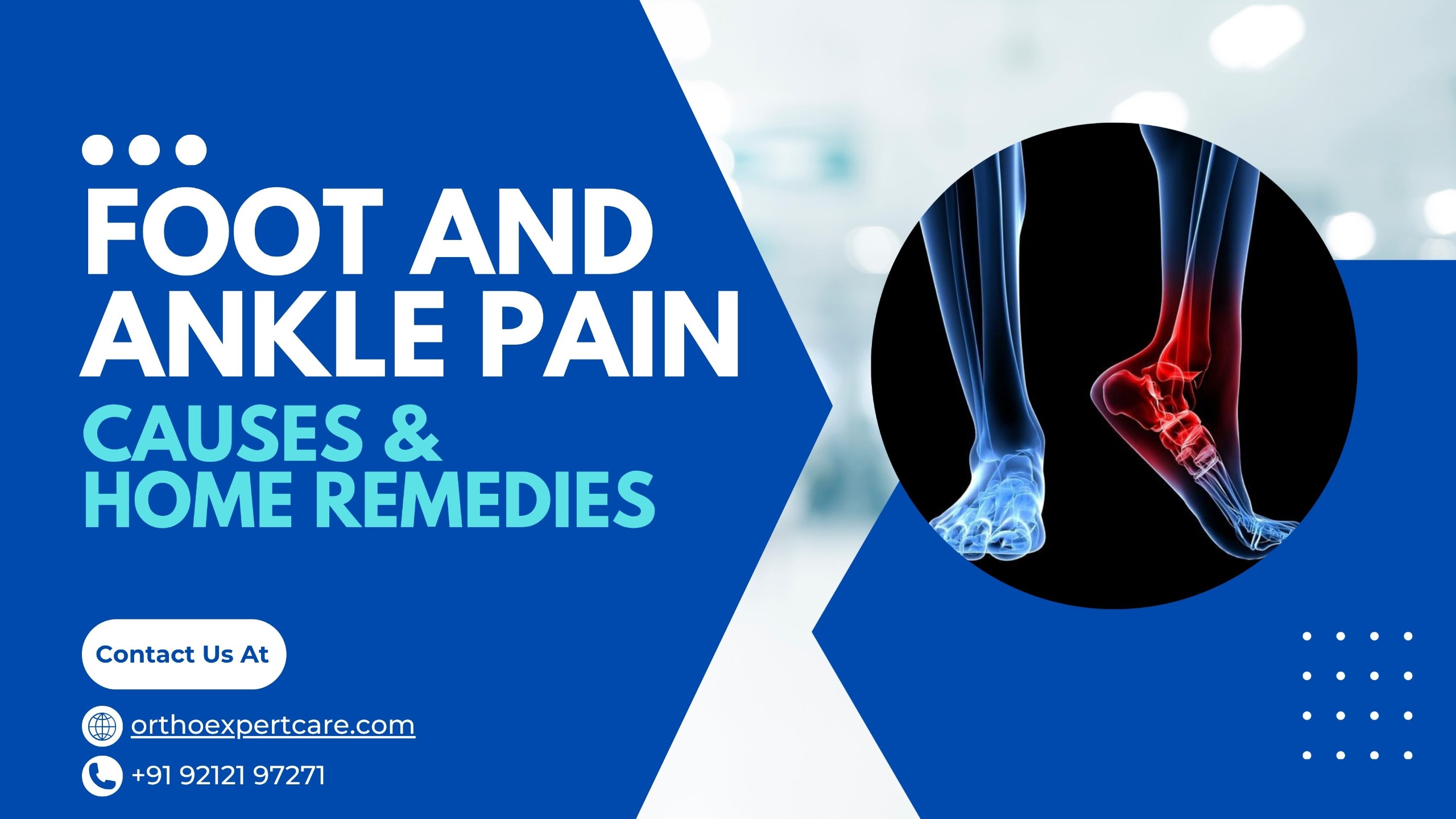
Foot and ankle pain is a common problem affecting people of all ages, often impacting daily activities and overall quality of life. Understanding the causes of foot pain and learning simple strategies for relief can help you manage discomfort effectively. In this blog, we will discuss the most common causes, symptoms, and home remedies for ankle pain, along with practical tips recommended by experts like Dr. Ajay Mittal, a renowned orthopedic specialist. Common Causes of Foot and Ankle Pain Foot and ankle pain can arise due to various reasons, ranging from minor injuries to chronic medical conditions. Some of the most common causes include: Plantar Fasciitis One of the leading causes of heel pain, plantar fasciitis occurs when the tissue connecting the heel to the toes becomes inflamed. This condition often causes sharp pain in the morning or after prolonged periods of sitting. Sprains and Strains Ankle sprains and strains are caused by overstretching or tearing of ligaments and muscles. Sudden twisting movements, sports injuries, or uneven surfaces can trigger sprains, leading to swelling, bruising, and limited mobility. Arthritis Arthritis, particularly osteoarthritis and rheumatoid arthritis, can affect the joints in the foot and ankle. This results in stiffness, swelling, and persistent pain, especially after long periods of activity. Flat Feet or High Arches Structural issues like flat feet or unusually high arches can alter the distribution of weight across the feet, causing discomfort and fatigue. Improper footwear may worsen these conditions. Tendonitis Inflammation of tendons, such as Achilles tendonitis, can cause pain at the back of the ankle or along the foot. Overuse or repetitive movements often lead to tendonitis, especially in athletes. Injuries and Trauma Fractures, bruises, and other traumatic injuries can result in sudden and severe foot and ankle pain. Timely medical intervention is crucial to prevent long-term complications. Medical Conditions Certain medical conditions, including diabetes, gout, and infections, may lead to persistent foot discomfort. Diabetic neuropathy, for example, can cause numbness, tingling, and burning sensations in the feet. Symptoms to Watch For Recognizing early symptoms of foot and ankle problems can help prevent worsening conditions. Common warning signs include: Swelling and inflammation around the ankle or foot Sharp or dull pain while walking or standing Redness or warmth in the affected area Difficulty in moving the foot or ankle Numbness or tingling sensations If you experience severe pain, inability to bear weight, or persistent swelling, consult an orthopedic expert like Dr. Ajay Mittal, who can provide accurate diagnosis and effective treatment options. Simple Home Care Tips for Foot and Ankle Pain While professional evaluation is essential for serious conditions, several home remedies for ankle pain and foot pain relief tips can help alleviate mild discomfort: 1. Rest and Elevation Giving your feet adequate rest reduces strain and prevents further injury. Elevating the foot above heart level can help minimize swelling, especially after an injury. 2. Ice Therapy Applying an ice pack to the affected area for 15–20 minutes, several times a day, helps reduce inflammation and relieve pain. Always wrap the ice in a cloth to prevent frostbite. 3. Compression Using an elastic bandage or ankle support can provide stability and reduce swelling in case of sprains or mild injuries. Ensure the bandage is snug but not restrictive, allowing proper blood flow. 4. Footwear Adjustment Wearing supportive shoes with proper cushioning can prevent further strain on the foot and ankle. Avoid high heels and shoes with poor arch support, especially if you suffer from flat feet or high arches. 5. Gentle Stretching Exercises Simple stretches, such as calf stretches and ankle rotations, can improve flexibility and reduce stiffness. Balance training and ankle strengthening exercises also enhance stability and prevent recurring injuries. 6. Massage and Warm Compress Massaging the foot with gentle pressure can improve blood circulation and relieve muscle tension. Alternating with warm compresses may ease soreness and improve mobility. 7. Over-the-Counter Pain Relief Non-prescription anti-inflammatory medications may provide temporary relief from swelling and discomfort. However, use them as advised and avoid prolonged use without consulting a doctor. 8. Weight Management Maintaining a healthy weight reduces stress on the foot and ankle joints. Combining regular low-impact exercise with a balanced diet can significantly decrease foot and ankle pain over time. When to Seek Professional Help While home care strategies are effective for mild cases, some situations require professional attention: Persistent or worsening pain despite home remedies Inability to walk or bear weight on the foot Severe swelling, redness, or deformity Suspected fracture or ligament tear Experts like Dr. Ajay Mittal can assess your condition and recommend treatments such as physical therapy, orthotics, or minimally invasive procedures if needed. Preventive Measures for Healthy Feet and Ankles Prevention is always better than cure. Following these tips can help reduce the risk of foot and ankle problems: Wear comfortable, supportive footwear Perform daily stretching and strengthening exercises Avoid prolonged standing or high-impact activities without breaks Maintain a healthy weight Practice proper techniques during sports or physical activities FAQs About Foot and Ankle Pain Q1. Can foot and ankle pain be cured at home? A: Mild pain caused by overuse or minor injuries can often be relieved with home care tips like rest, ice therapy, and stretching. Severe or persistent pain requires professional evaluation. Q2. How long does it take for ankle sprains to heal? A: Recovery time depends on the severity of the sprain. Mild sprains may heal in 1–2 weeks, while severe sprains can take several months. Following a structured care plan and consulting experts like Dr. Ajay Mittal ensures proper healing. Q3. Are flat feet a cause of chronic foot pain? A: Yes, flat feet can alter the natural alignment of the foot and ankle, leading to discomfort over time. Supportive footwear and orthotics often help alleviate symptoms. Q4. What are the best exercises for foot pain relief? A: Calf stretches, ankle rotations, toe curls, and balance exercises are effective for improving flexibility and strength, reducing the risk of recurring pain. Conclusion Managing foot
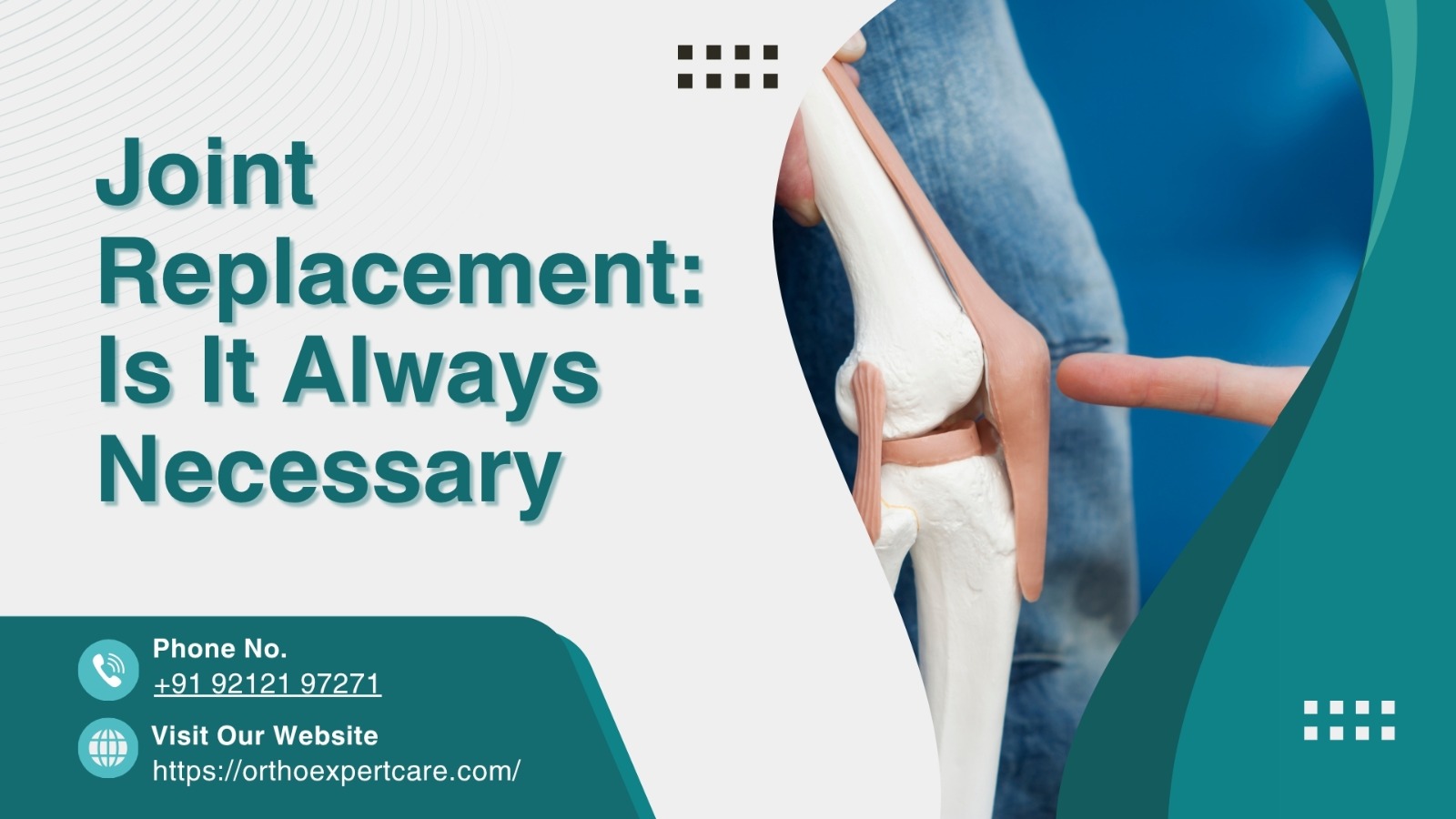
Joint Replacement: Is It Always Necessary? Exploring Non-Surgical Alternatives
Joint health plays a vital role in maintaining mobility and an active lifestyle. When joints become painful, stiff, or swollen due to conditions like osteoarthritis, injury, or age-related wear and tear, many individuals immediately consider joint replacement. While this surgical option can be life-changing, it isn’t always necessary. According to Dr. Ajay Mittal, a renowned orthopedic specialist, there are several non-surgical strategies that can manage joint pain effectively and improve quality of life. Understanding when Joint Replacement is truly required versus when non-surgical approaches are sufficient is crucial. Early intervention often reduces the need for invasive procedures and allows patients to maintain an active and independent lifestyle. What is Joint Replacement? Joint Replacement is a surgical procedure in which a damaged joint is replaced with an artificial one. It is most commonly performed for hips, knees, shoulders, and sometimes elbows. The surgery is typically recommended for patients who experience severe pain, limited mobility, or joint deformities that significantly affect daily life. However, surgery comes with inherent risks such as infection, blood clots, and prolonged recovery periods. Therefore, determining whether Joint Replacement is truly necessary should be done carefully, with input from an experienced orthopedic specialist like Dr. Ajay Mittal. Signs You Might Need Joint Replacement While not all joint pain requires surgery, certain signs may indicate that Joint Replacement is necessary: Dr. Ajay Mittal often stresses that a proper evaluation, including X-rays, MRIs, and clinical assessment, is essential before deciding on Joint Replacement. Non-Surgical Alternatives to Joint Replacement For many patients, non-surgical treatments can delay or even prevent the need for Joint Replacement. These methods focus on relieving pain, improving joint function, and enhancing overall quality of life. 1. Physical Therapy and Exercise Targeted exercises can strengthen the muscles around the joints, enhance flexibility, and reduce pain. Non-surgical joint treatments like physiotherapy focus on improving stability and mobility, making daily activities easier. Dr. Ajay Mittal recommends customized exercise plans tailored to individual needs, which can significantly delay the need for surgery. Benefits: 2. Medications and Injections Medications, including anti-inflammatory drugs and pain relievers, can manage mild to moderate joint pain. In addition, injections like corticosteroids or hyaluronic acid can provide temporary relief, reduce inflammation, and improve joint lubrication. These treatments are often part of a comprehensive plan to manage osteoarthritis and may help avoid Joint Replacement for some patients. 3. Lifestyle Modifications Simple lifestyle changes can have a significant impact on joint health: Dr. Ajay Mittal emphasizes that combining lifestyle changes with other non-surgical approaches can lead to long-lasting relief. 4. Supportive Devices Braces, orthotics, and walking aids are often recommended as part of non-surgical joint treatments. These devices provide stability, reduce pain, and prevent further joint damage. Many patients find that such devices allow them to maintain their independence and delay Joint Replacement surgery. 5. Alternative Therapies Some patients benefit from complementary therapies such as acupuncture, hydrotherapy, or massage therapy. While these approaches may not replace medical treatment, they can contribute to joint pain relief without surgery when used alongside other methods. The Role of Early Detection One of the most important factors in avoiding unnecessary Joint Replacement is early detection and intervention. Patients who seek advice at the first signs of joint pain can often benefit from non-surgical joint treatments before the condition progresses. Dr. Ajay Mittal notes that early management not only improves outcomes but also reduces long-term healthcare costs and recovery time. FAQs Q1: Can joint pain be fully treated without surgery? Yes. Many patients experience significant relief through non-surgical joint treatments, physiotherapy, lifestyle changes, and medications, especially when addressed early. Q2: How effective are injections for joint pain relief? Injections like corticosteroids or hyaluronic acid can provide temporary relief and improve joint function, often delaying the need for Joint Replacement. Q3: What lifestyle changes can prevent or delay the need for joint surgery? Maintaining a healthy weight, eating a balanced diet, regular low-impact exercise, and avoiding joint overuse are key preventive strategies. Q4: When should I consult Dr. Ajay Mittal about Joint Replacement? If joint pain affects your daily life, sleep, or mobility despite non-surgical treatments, it is time to seek expert advice. Q5: Are non-surgical treatments suitable for everyone? While most patients benefit from non-surgical approaches, individual evaluation is essential. Dr. Ajay Mittal can design a personalized treatment plan based on your condition. Conclusion While Joint Replacement can transform lives for patients with advanced joint disease, it is not always the first or only solution. Non-surgical joint treatments, osteoarthritis management strategies, and joint pain relief without surgery offer effective ways to maintain mobility and reduce discomfort. Dr. Ajay Mittal emphasizes that early intervention, proper evaluation, and a personalized treatment plan can often prevent or delay the need for surgery. Consult Dr. Ajay Mittal to explore effective non-surgical options and determine whether Joint Replacement is truly necessary for you. Schedule your appointment today and take the first step toward pain-free movement, improved mobility, and a better quality of life!
Non-Surgical Joint Pain Relief: Strengthen Your Joints and Reduce Discomfort Naturally
Healthy joints are essential for mobility, flexibility, and overall quality of life. With the rise in joint problems due to sedentary lifestyles, aging, and repetitive strain, many people are looking for effective ways to reduce discomfort and improve joint function. Non-Surgical Joint Pain Relief provides a safe, natural, and evidence-based approach to maintain strong, pain-free joints. Under the guidance of experts like Dr. Ajay Mittal, patients can adopt strategies that enhance joint strength, increase flexibility, and prevent further degeneration. This approach focuses on long-term joint health, prioritizing safety, and minimizing the risks associated with invasive procedures. Why Non-Surgical Joint Pain Relief Matters Surgery is often considered a last resort for joint problems due to risks, longer recovery periods, and higher costs. Non-Surgical Joint Pain Relief provides an effective alternative by focusing on: Dr. Ajay Mittal emphasizes that early intervention through personalized non-surgical joint care can significantly improve mobility and quality of life. Patients often experience faster recovery and may avoid surgical procedures altogether. Effective Strategies for Non-Surgical Joint Pain Relief A comprehensive non-surgical joint pain relief plan combines safe exercises, lifestyle adjustments, and low-impact activities to support joint health. Key strategies include: 1. Targeted Strengthening Exercises Strengthening the muscles surrounding joints reduces stress on the joints and provides natural support. This helps prevent further damage and minimizes discomfort. 2. Flexibility and Mobility Work Gentle stretching and mobility exercises improve the range of motion, reduce stiffness, and enhance overall joint performance. 3. Low-Impact Activities Walking, swimming, cycling, and water exercises improve cardiovascular health without stressing joints. These activities are ideal for knees, hips, and shoulders. 4. Balance and Coordination Practices Exercises that enhance balance, like standing on one leg or using stability tools, improve stability and prevent injuries. Dr. Mittal notes that combining these strategies consistently is key to long-lasting results and effective non-invasive joint care. The Role of Nutrition in Supporting Joint Health Proper nutrition plays a vital role in non-surgical joint pain relief by providing essential nutrients that support joint health and reduce inflammation. Foods rich in omega-3 fatty acids, calcium, vitamin D, and antioxidants help strengthen cartilage, improve bone density, and promote overall joint function. Combining a balanced diet with regular exercises enhances mobility, reduces discomfort, and supports long-term joint wellness naturally. Practical Exercises to Support Joint Health Here are some safe exercises that can help maintain joint strength and mobility: Even a few minutes of these exercises daily can help achieve pain-free joints naturally. Lifestyle Adjustments for Joint Health Successful non-surgical joint pain relief goes beyond exercises and includes adopting habits that protect and nourish your joints: Dr. Ajay Mittal emphasizes that combining these lifestyle strategies with targeted exercises maximizes results and prevents future joint problems. FAQs About Non-Surgical Joint Pain Relief Q1: What is the best way to relieve joint pain naturally?A: A combination of strengthening exercises, mobility routines, low-impact activities, and lifestyle adjustments tailored to your joint condition is highly effective. Q2: How long does it take to see results?A: Most patients notice improvements in pain, flexibility, and strength within 4–6 weeks of consistent practice. Q3: Can non-surgical methods prevent surgery?A: Yes, early adoption of non-surgical joint pain relief strategies can often delay or eliminate the need for surgical intervention. Q4: Are there any risks with non-surgical joint care?A: Risks are minimal. Mild soreness may occur initially, but these approaches are generally safe and low-risk. Q5: How often should I do exercises for joint health?A: Most specialists recommend 3–5 guided sessions per week, with daily home exercises for best results. Conclusion Non-Surgical Joint Pain Relief offers a safe, effective way to maintain stronger, flexible, and pain-free joints. By combining targeted exercises, expert guidance from professionals like Dr. Ajay Mittal, and healthy lifestyle adjustments, patients can achieve lasting improvements in mobility and overall quality of life. If you are looking for a natural, non-invasive solution for joint discomfort, Consult Dr. Ajay Mittal today to explore a personalized plan for joint health and pain-free living.
Chronic Pain Management Without Surgery: A Comprehensive Guide to Non-Invasive Treatments for Long-Term Relief
Chronic pain is a persistent health challenge that affects millions of people worldwide. From joint stiffness and back pain to nerve-related discomfort, chronic pain can interfere with daily activities, work performance, and overall quality of life. While surgery is sometimes recommended, many patients prefer non-invasive, safer alternatives. Chronic Pain Management focuses on reducing pain and improving mobility without surgical procedures. Dr. Ajay Mittal, a leading specialist in non-surgical pain therapies, emphasizes that understanding available options is key to achieving long-term relief. Understanding Chronic Pain Chronic pain is defined as pain that lasts for more than three months and often continues despite initial treatments. Unlike acute pain, which signals immediate injury, chronic pain persists and can affect emotional well-being, sleep, and physical activity. Common causes include arthritis, nerve damage, past injuries, and conditions like fibromyalgia. Effective chronic pain management involves identifying the root cause and implementing therapies that address both the physical and mental aspects of pain. Non-surgical approaches can help patients regain independence, improve functionality, and enhance quality of life. Highly Effective Non-Surgical Therapies Non-surgical approaches are becoming the preferred choice for many patients because they are safe, practical, and require little to no recovery time. These therapies aim to relieve pain, restore mobility, and improve overall quality of life without the need for invasive procedures. Some of the most beneficial options include: 1. Physical Therapy and Exercise Customized exercise programs under the supervision of a physical therapist are a cornerstone of chronic pain management. Targeted exercises help strengthen weak muscles, improve flexibility, and relieve joint pressure. Dr. Ajay Mittal highlights that consistent physical therapy not only reduces pain but also prevents further injuries and improves overall mobility. 2. Medications Medications can play a supportive role in managing chronic pain. Anti-inflammatory drugs, nerve pain medications, and muscle relaxants are commonly used to alleviate discomfort. Combining medications with other therapies often produces more effective, long-lasting results without the need for surgery. 3. Pain Management Therapies Several pain management therapies focus on reducing discomfort without invasive procedures: 4. Lifestyle Modifications Simple lifestyle changes can significantly contribute to long-term pain solutions. Maintaining a healthy weight reduces strain on joints, while proper posture and ergonomics prevent worsening pain. Incorporating stress management techniques such as yoga, meditation, and deep breathing also helps in managing chronic pain effectively. Dr. Ajay Mittal advises combining lifestyle modifications with therapies for optimal results. 5. Regenerative Treatments Emerging regenerative therapies offer promising results for tissue repair and pain relief. Treatments like platelet-rich plasma (PRP) injections and stem cell therapy help regenerate damaged tissues, providing sustainable relief from chronic pain. Dr. Ajay Mittal has successfully integrated these therapies into his practice, helping patients avoid surgery while achieving long-term improvement in mobility and comfort. 6. Cognitive Behavioral Therapy (CBT) Chronic pain often affects mental health, leading to anxiety, depression, and stress. Cognitive Behavioral Therapy (CBT) equips patients with strategies to manage negative thought patterns, develop coping mechanisms, and improve emotional resilience. Integrating CBT with other chronic pain management techniques ensures both physical and psychological aspects of pain are addressed. FAQs on Chronic Pain Management Q1. Can chronic pain be managed without surgery? Yes, many patients experience significant relief through non-surgical options like physical therapy, medications, and regenerative treatments. Q2. How long does it take to see results with non-surgical treatments? The timeline varies depending on the individual and the therapy used, but most patients notice improvements within a few weeks to a few months. Q3. Are non-surgical therapies safe? Generally, yes. Non-invasive therapies have minimal risk, though some medications or injections may have side effects. Consulting a specialist like Dr. Ajay Mittal ensures safety and effectiveness. Q4. What is the best long-term solution for chronic pain? A combination of targeted exercises, lifestyle modifications, and pain management therapies is usually the most effective approach for lasting results. Q5. Can lifestyle changes make a difference? Absolutely. Proper nutrition, regular exercise, stress management, and maintaining good posture are essential for successful chronic pain management. Conclusion Managing chronic pain doesn’t always require surgery. Through personalized non-surgical therapies, lifestyle adjustments, and professional guidance from experts like Dr. Ajay Mittal, patients can experience lasting relief and improved quality of life. Consult Dr. Ajay Mittal today to explore safe and effective non-surgical pain relief options and create your personalized chronic pain management plan. Take the first step toward a more active, pain-free life.
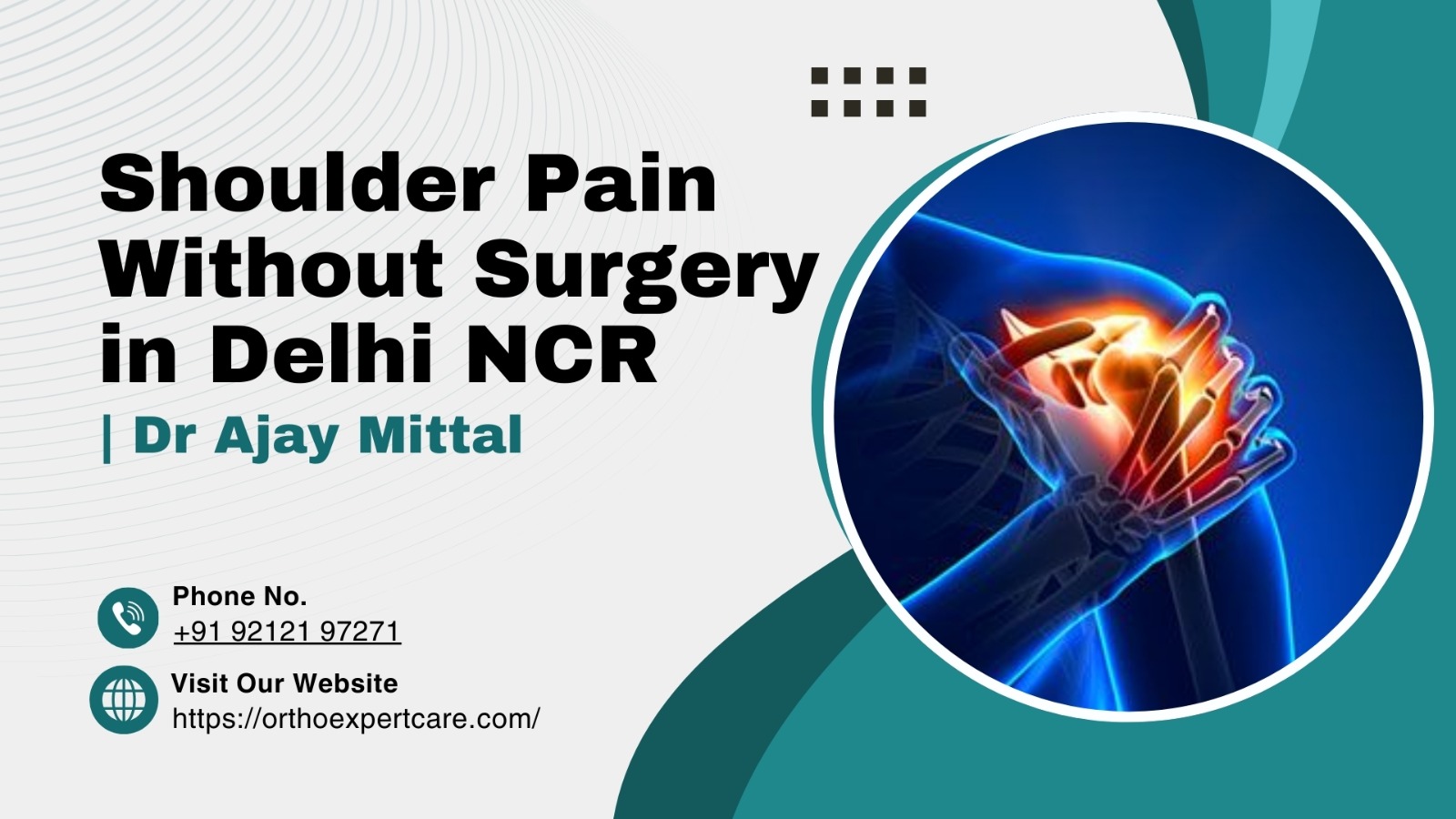
Shoulder Pain Without Surgery: Physiotherapy, Strengthening, and Posture Fixes That Work
Living with shoulder pain without surgery is possible when you focus on the right treatments, lifestyle adjustments, and expert guidance. Many people in Delhi NCR and nearby areas deal with chronic shoulder stiffness, rotator cuff injuries, or posture-related discomfort but don’t realize that simple, non-invasive methods can bring lasting relief. With the right balance of physiotherapy, posture correction, and targeted strengthening, you can restore mobility and avoid unnecessary surgical procedures. Understanding Shoulder Pain Without Surgery Shoulder pain without surgery management is about addressing the root cause. Most cases stem from poor posture, weak supporting muscles, or repetitive stress. Instead of opting for invasive treatments, therapies like physiotherapy and strengthening exercises often provide faster recovery and long-term relief. According to Dr Ajay Mittal, a renowned orthopedic specialist in Delhi NCR, surgery is not always the first line of treatment. His approach emphasizes physiotherapy sessions, posture training, and lifestyle changes that can reduce pain and improve flexibility. Role of Physiotherapy in Shoulder Pain Relief Physiotherapy in Delhi NCR has become one of the most effective solutions for managing shoulder pain without surgery. Through guided sessions, patients can work on improving range of motion, reducing stiffness, and preventing future injury. Trained physiotherapists help design custom rehabilitation plans, which may include heat therapy, ultrasound, and gentle mobilization techniques. Dr Ajay Mittal recommends early physiotherapy intervention for patients dealing with frozen shoulder, tendonitis, or mild arthritis, as it ensures faster recovery while avoiding complications. Strengthening Exercises That Work Muscle weakness around the shoulder is one of the biggest contributors to long-term discomfort. By focusing on strengthening exercises in Delhi NCR, patients can stabilize the joint, improve posture, and enhance performance in daily activities. Resistance band workouts, light weightlifting, and rotator cuff strengthening are among the most effective strategies for maintaining shoulder health. Dr Ajay Mittal often guides patients through supervised strengthening programs to ensure safe and effective progress. This reduces dependency on painkillers and lowers the risk of recurring injuries. Posture Fixes for Long-Term Relief Poor posture, especially from desk jobs and prolonged mobile use, is a hidden culprit behind shoulder pain without surgery. Correcting alignment, sitting ergonomically, and practicing daily posture exercises can make a huge difference. With targeted posture correction in Delhi NCR, patients learn to adjust their workspace, use supportive chairs, and integrate stretches into their routine. According to Dr Ajay Mittal, posture correction not only helps with immediate pain relief but also prevents chronic musculoskeletal issues. Why Choose Non-Surgical Treatment in Delhi NCR? Choosing non-invasive options for shoulder pain without surgery ensures that patients regain mobility naturally and maintain long-term joint health. FAQs on Shoulder Pain Without Surgery Q1. Can physiotherapy alone cure shoulder pain? Yes, in most cases, physiotherapy combined with lifestyle changes can effectively treat shoulder pain without surgery. Q2. How long does it take to see results with non-surgical treatment? Improvement can be noticed within a few weeks of consistent physiotherapy in Delhi NCR, posture correction, and strengthening exercises. Q3. Is surgery ever required for shoulder pain? Surgery is considered only if severe damage is present. Dr Ajay Mittal emphasizes non-surgical treatments first. Q4. Can strengthening exercises worsen shoulder pain? If done incorrectly, yes. Always consult a specialist before starting a strengthening program in Delhi NCR. Q5. How important is posture in preventing shoulder pain? Very important. Daily posture correction in Delhi NCR plays a key role in long-term shoulder health. Call to Action If you are struggling with shoulder pain without surgery and looking for effective non-invasive treatments in Delhi NCR and nearby areas, don’t wait for the pain to worsen. Consult Dr Ajay Mittal, a trusted orthopedic expert who specializes in physiotherapy, strengthening programs, and posture correction. Book your appointment today and take the first step toward a pain-free, active lifestyle.
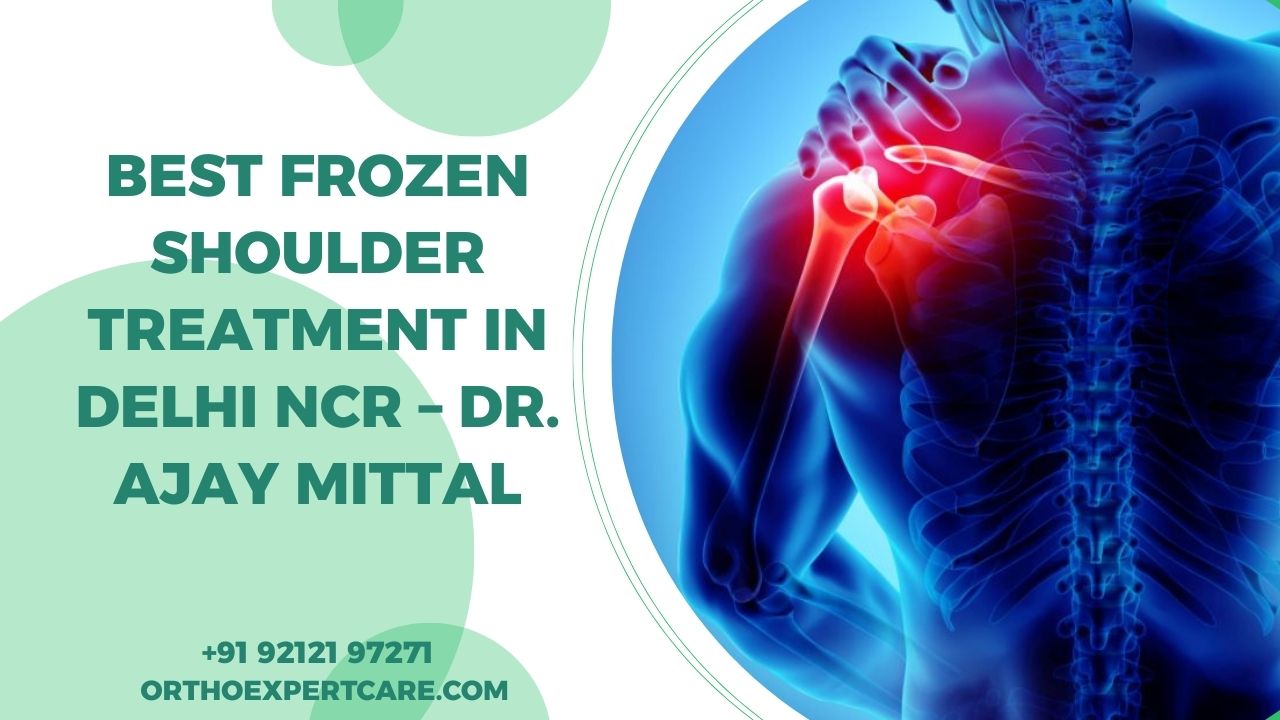
Best Frozen Shoulder Treatment in Delhi NCR – Effective Solutions to Relieve Stiffness & Pain
Frozen shoulder, medically known as adhesive capsulitis, is a condition that causes stiffness, pain, and limited movement in the shoulder joint. It can make simple tasks like reaching overhead, dressing, or even sleeping uncomfortable. Many adults in Delhi NCR experience this due to long hours at work, repetitive shoulder movements, injuries, or post-surgical complications. Seeking the best frozen shoulder treatment in Delhi NCR ensures timely recovery, reduced pain, and improved quality of life. Understanding Frozen Shoulder Frozen shoulder progresses gradually and is typically divided into three stages: If left untreated, frozen shoulder can last for 1–3 years, significantly affecting daily activities. Early intervention with the best frozen shoulder treatment in Delhi NCR can dramatically reduce recovery time. Causes of Frozen Shoulder Common causes include: Understanding the cause is essential for effective treatment. Consulting a best orthopedic shoulder specialist in Delhi NCR helps determine the underlying issue and create a personalized recovery plan. Treatment Options 1. Physiotherapy for Frozen Shoulder Delhi NCR Physiotherapy is often the first line of treatment. A trained physiotherapist creates a program including: Advantages: Disadvantages: 2. Pain Management Pain relief is critical to ensure patients can perform exercises effectively. Common options include: Advantages: Disadvantages: 3. Advanced Orthopedic Treatments For stubborn cases, advanced treatments may be recommended by a best orthopedic shoulder specialist in Delhi NCR, such as: Advantages: Disadvantages: 4. Lifestyle Modifications Alongside clinical treatments, lifestyle adjustments can significantly impact recovery: Advantages: Disadvantages: Why Choose the Best Frozen Shoulder Treatment in Delhi NCR The right clinic and specialist make all the difference. The best frozen shoulder treatment in Delhi NCR provides: Dr. Ajay Mittal, a renowned best orthopedic shoulder specialist in Delhi NCR, has helped countless patients regain full shoulder mobility. His approach combines modern treatment methods with personalized care to ensure effective, comfortable recovery. Advantages of Early Treatment Risks of Delayed Treatment Patient Experience Patients undergoing the best frozen shoulder treatment in Delhi NCR often notice improvements within weeks. Gentle physiotherapy sessions combined with advanced orthopedic care relieve pain and restore mobility. Many patients regain full function, returning to work and daily life without restrictions. Conclusion Frozen shoulder can significantly impact life, but timely intervention makes full recovery possible. A combination of physiotherapy, pain management, and advanced orthopedic treatments offers the most effective results. Residents of Delhi NCR seeking the best frozen shoulder treatment in Delhi NCR can consult Dr. Ajay Mittal for a comprehensive, personalized treatment plan that restores mobility and reduces pain naturally. FAQs Q1: How long does frozen shoulder treatment take? Recovery may take 3–12 months depending on severity. Early intervention can shorten the timeline significantly. Q2: Can physiotherapy alone cure frozen shoulder? In mild to moderate cases, physiotherapy for frozen shoulder Delhi NCR is highly effective. Severe cases may require additional treatments. Q3: Is surgery required? Surgery is rarely necessary. Most patients improve significantly with physiotherapy, medications, and care from a best orthopedic shoulder specialist in Delhi NCR. Q4: When should I consult a doctor? Persistent shoulder stiffness, pain, or difficulty performing daily tasks warrants consultation with a specialist. Contact Us 📍 Address: BQ-180, KL Bagga Marg, Block BQ, West Shalimar Bagh, Shalimar Bagh, North West Delhi 110088, Delhi📞 Phone: +91 92121 97271✉️ Email: mittalajaydoc77@rediffmail.com
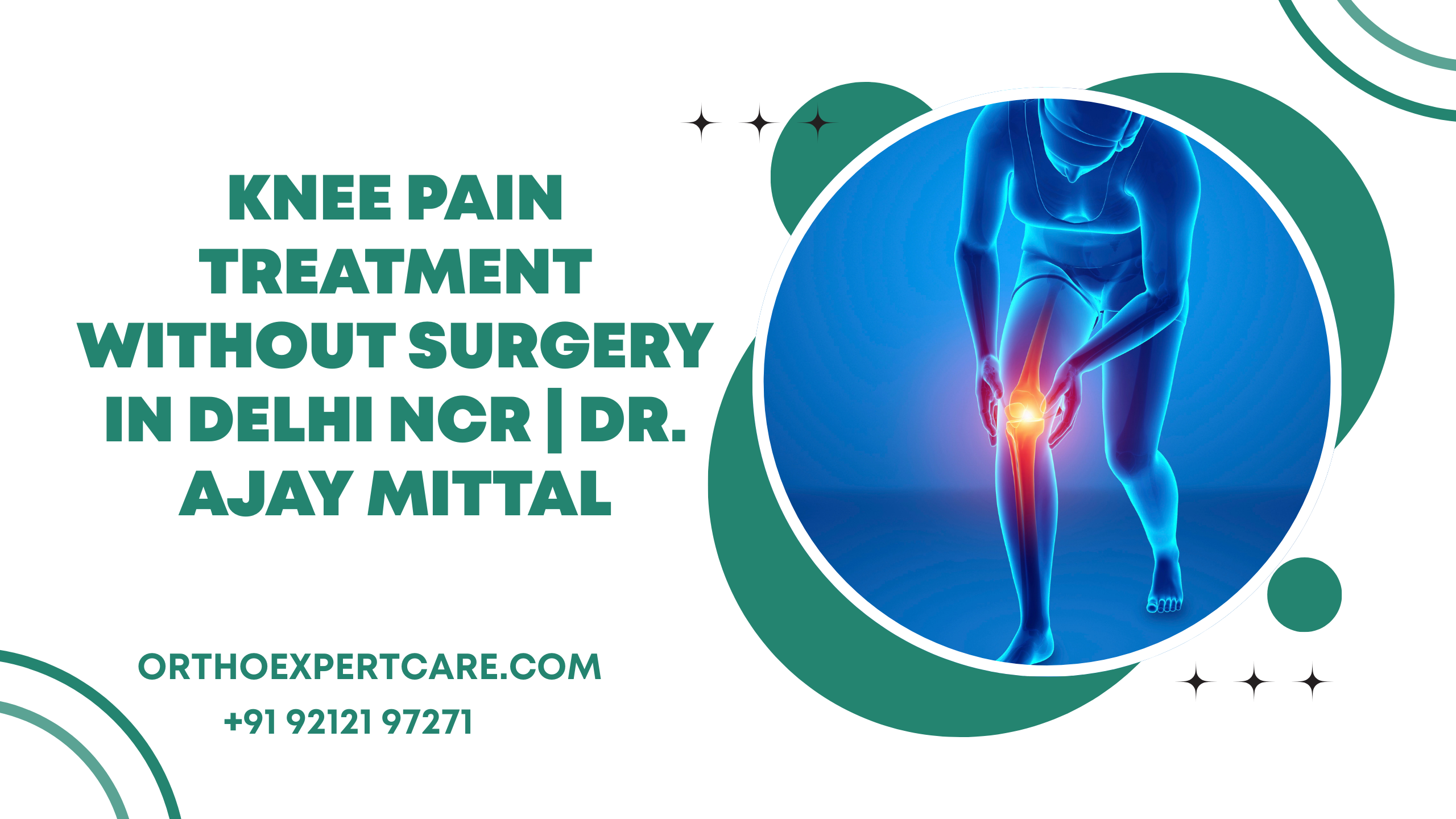
Knee Pain Treatment Without Surgery in Delhi NCR – Options That Work
Knee pain has grow to be one of the maximum not unusual orthopedic problems affecting people of all ages. Whether due to arthritis, accidents, or put on and tear, it may severely restriction mobility and best of lifestyles. For many sufferers, surgical procedure can also sense just like the handiest choice, but in fact, there are numerous effective alternatives that provide lengthy-term comfort without going under the knife. If you’re searching for Knee Pain Treatment Without Surgery in Delhi NCR, this manual will walk you thru verified remedy options, advanced treatments, and expert care available in the area. Understanding Knee Pain and Its Causes Knee ache can stem from a variety of conditions. Common causes consist of: Understanding the basis motive is step one in the direction of identifying the first-rate non-surgical knee ache treatment in Delhi NCR. Why Consider Non-Surgical Treatments? Surgery may be steeply-priced, invasive, and might contain a protracted healing period. On the opposite hand, Knee Pain Treatment Without Surgery in Delhi NCR gives the gain of: Effective Options for Knee Pain Treatment Without Surgery in Delhi NCR Here are a number of the simplest strategies to control and deal with knee pain with out surgical intervention: 1. Physiotherapy and Rehabilitation A structured physiotherapy software strengthens muscles around the knee, improves flexibility, and decreases stress on the joints. Regular supervised physical activities help patients regain movement with out invasive approaches. 2. Medications and Injections Pain relievers, anti-inflammatory drugs, and lubricating injections like hyaluronic acid can drastically lessen discomfort. These remedies are frequently used in combination with therapy for better outcomes. 3. Platelet-Rich Plasma (PRP) Therapy PRP is an advanced regenerative treatment that makes use of the affected person’s very own blood platelets to restore broken tissues. It promotes restoration and presents comfort for the ones suffering with arthritis or ligament accidents. 4. Lifestyle Modifications Maintaining a healthful weight, adopting a low-impact health habitual, and following a balanced food regimen are essential additives of Knee Pain Treatment Without Surgery in Delhi NCR. These way of life changes ease pressure at the knees and prevent similarly harm. 5. Orthobiologics and Stem Cell Therapy These modern-day remedies are gaining reputation in Delhi NCR. They aim to regenerate cartilage and repair joint health obviously, delaying or maybe eliminating the need for surgery. Choosing the Right Specialist in Delhi NCR While treatment options are to be had across the city, achievement in large part relies upon on consulting the proper professional. Patients searching out the best orthopedic doctor in Delhi for knee pain have to prioritize revel in, patient reviews, and understanding in non-surgical methods. Dr. Ajay Mittal, Orthopedic & Spine Specialist, is a relied on call in this area. With years of experience in superior remedies and a affected person-centric method, he has helped endless sufferers manipulate knee pain effectively without resorting to surgical treatment. His sanatorium in Shalimar Bagh, North West Delhi, is properly-prepared to offer personalised take care of each patient’s unique circumstance. Benefits of Seeking Treatment in Delhi NCR Delhi NCR is a hub for advanced hospital therapy, imparting: Frequently Asked Questions (FAQs) Q1: Is surgical procedure the simplest alternative for continual knee pain? No, numerous options like physiotherapy, PRP remedy, and way of life changes offer effective remedy without surgery. Q2: How long does non-surgical remedy take to reveal effects? Results range, but many sufferers notice improvement within some weeks of starting physiotherapy or injections. Q3: Can PRP remedy remedy arthritis absolutely? PRP does no longer therapy arthritis however slows its progression and reduces signs substantially. Q4: Who is the best orthopedic doctor in Delhi for knee pain? Dr. Ajay Mittal is broadly recommended for his understanding in Knee Pain Treatment Without Surgery in Delhi NCR. Conclusion Knee ache doesn’t constantly imply surgical procedure. With the availability of advanced remedies, physiotherapy, and way of life control, patients can revel in lasting relief and stepped forward mobility without invasive techniques. If you are exploring Knee Pain Treatment Without Surgery in Delhi NCR, consulting a depended on professional is the key to a success recuperation. Dr. Ajay Mittal’s information in non-surgical knee pain treatment in Delhi NCR makes him a reliable choice for those searching for safe, effective, and personalised care. Contact Us Dr. Ajay Mittal – Orthopedic & Spine Specialist Address: BQ-180, KL Bagga Marg, Block BQ, West Shalimar Bagh, Shalimar Bagh, North West Delhi 110088, DelhiPhone: +91 92121 97271Email: mittalajaydoc77@rediffmail.com
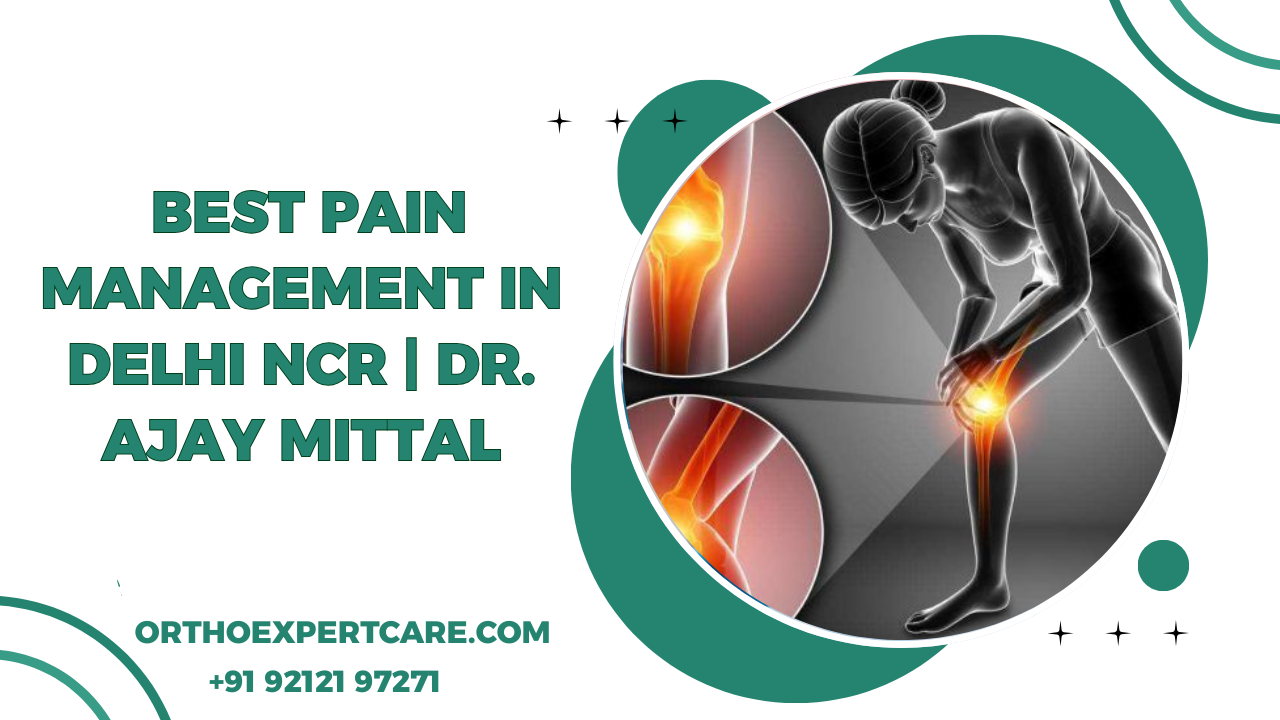
Best Pain Management in Delhi NCR – Non-Surgical Options You Should Know
Living with chronic pain can take a toll on both physical and emotional well-being. Whether it’s back pain, arthritis, sciatica, migraines, or sports injuries, untreated pain impacts daily activities and overall quality of life. Thankfully, advancements in medical science now make it possible to get relief without invasive procedures. If you are looking for the best pain management in Delhi NCR, this guide explores effective solutions, benefits, and how to choose the right treatment for your needs. Why Choose the Best Pain Management in Delhi NCR? Delhi NCR is home to some of the most reputed pain management specialists and advanced clinics. Opting for the best pain management in Delhi NCR ensures: By choosing the right clinic, you not only reduce pain but also improve mobility, sleep, and mental health. Non-Surgical Pain Treatment Options For those who prefer to avoid surgery, multiple non-surgical pain treatment Delhi NCR options are available: 1. Physiotherapy & Rehabilitation Personalized exercises and physical therapy sessions help restore strength, improve flexibility, and reduce chronic pain. 2. Medication Management Doctors prescribe safe medications for short-term pain relief, often combined with other therapies for better results. 3. Nerve Blocks & Injections Minimally invasive injections help reduce inflammation and provide long-term relief from conditions like sciatica or arthritis. 4. Lifestyle & Posture Correction Improving posture, making dietary changes, and stress management techniques help prevent recurring pain. These non-surgical pain treatment Delhi NCR methods are highly effective and safer compared to invasive procedures. Benefits of Affordable Pain Treatment in Delhi NCR One of the biggest concerns for patients is cost. The good news is that there are many options for affordable pain treatment in Delhi NCR, offering: Patients can now access advanced therapies without financial stress, making pain relief accessible to everyone. How to Choose the Best Pain Management in Delhi NCR? When searching for the best pain management in Delhi NCR, keep these factors in mind: Making the right choice ensures long-lasting results and an improved lifestyle. Conclusion Pain doesn’t have to control your life. With advanced therapies, you can regain mobility, reduce discomfort, and enjoy a healthier lifestyle. From physiotherapy and injections to lifestyle management, opting for the best pain management in Delhi NCR ensures you get safe, effective, and affordable care. If you’ve been delaying treatment, now is the time to consult an expert and take the first step toward a pain-free life. FAQs Q1. What conditions can be treated with non-surgical pain management? Back pain, arthritis, sciatica, sports injuries, migraines, and joint stiffness can all be managed with non-surgical treatments. Q2. Is non-surgical pain treatment safe? Yes, most non-surgical pain treatment Delhi NCR options are minimally invasive and carry little to no risk compared to surgery. Q3. How affordable is pain treatment in Delhi NCR? Many clinics offer affordable pain treatment in Delhi NCR, making quality care accessible to everyone without financial burden. Q4. How soon can I expect relief? Relief timelines vary depending on the condition and treatment plan. Some patients notice improvement within days, while others may take weeks. Contact Us Dr. Ajay Mittal – Orthopedic & Spine Specialist 📍 Address: BQ-180, KL Bagga Marg, Block BQ, West Shalimar Bagh,Shalimar Bagh, North West Delhi 110088, Delhi📞 Phone: +91 92121 97271📧 Email: mittalajaydoc77@rediffmail.com
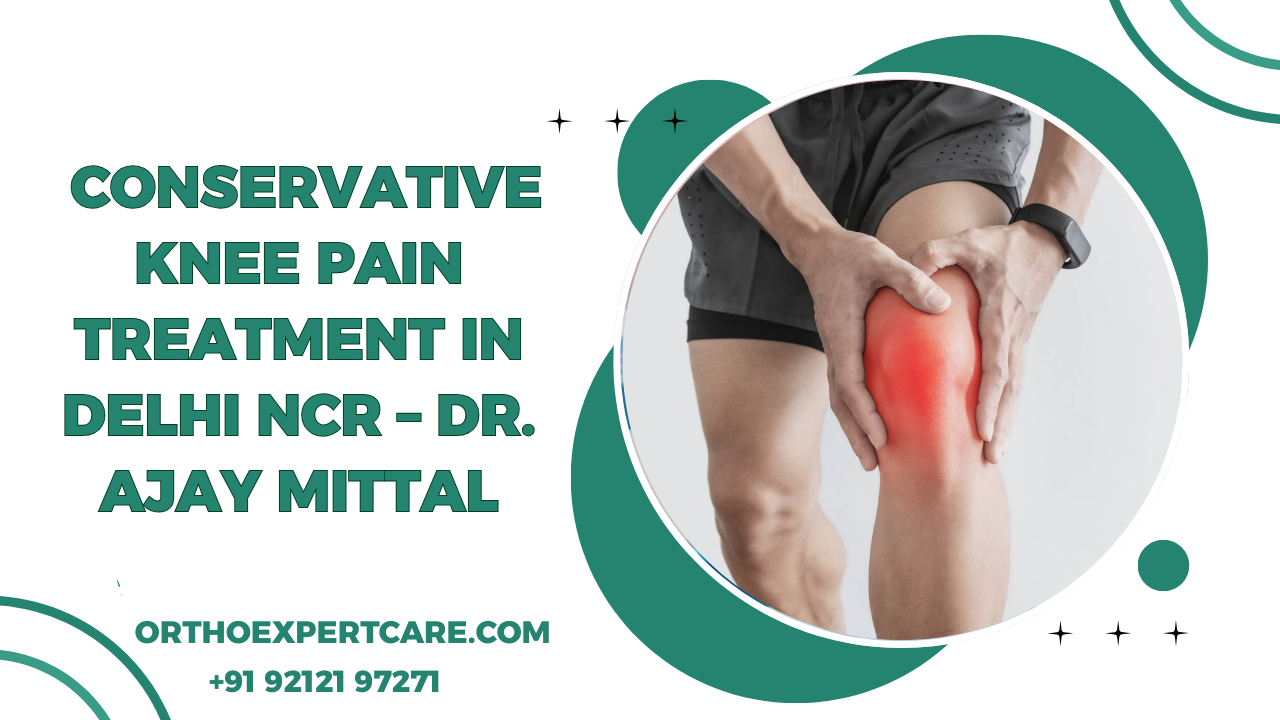
Conservative Treatment for Knee Pain in Delhi NCR: Proven Non-Surgical Solutions for Effective Relief
Knee pain is one of the most common musculoskeletal complaints affecting people across all age groups. Whether caused by aging, injury, arthritis, or overuse, persistent knee discomfort can significantly affect daily life. Many residents in Delhi NCR are now seeking conservative treatment for knee pain in Delhi NCR as a safer, non-invasive alternative to surgery. Non-surgical solutions not only provide relief but also improve joint function, mobility, and overall quality of life. Understanding Conservative Treatment for Knee Pain in Delhi NCR Conservative treatment for knee pain in Delhi NCR focuses on non-surgical approaches to relieve pain, reduce inflammation, and strengthen the knee joint. These treatments aim to manage symptoms effectively while avoiding the risks, recovery time, and costs associated with surgical procedures. Conservative management is particularly beneficial for conditions like osteoarthritis, ligament injuries, meniscus tears, and chronic knee pain. Common Non-Surgical Options 1. Physical Therapy & Targeted Exercises Physical therapy is often the first and most effective step in non-surgical knee pain management in Delhi NCR. Specialized exercises strengthen the muscles surrounding the knee, improve flexibility, and enhance joint stability. A personalized rehabilitation plan designed by an expert therapist helps reduce pain, prevent further joint damage, and restore normal movement. Exercises may include quadriceps strengthening, hamstring stretches, balance training, and low-impact aerobic activities. Regular adherence to a structured program can lead to noticeable improvements within weeks, making physical therapy an essential part of conservative care. 2. Pain Relief Injections For patients with persistent pain, certain injections can provide relief and accelerate recovery. Corticosteroid injections reduce inflammation and alleviate discomfort in the affected knee joint, while hyaluronic acid injections improve lubrication, allowing smoother joint movement. These minimally invasive procedures are safe, effective, and often used alongside physical therapy to maximize results. 3. Platelet-Rich Plasma (PRP) Therapy PRP therapy is a modern, regenerative treatment gaining popularity in Delhi NCR for knee pain. This therapy involves injecting concentrated platelets derived from the patient’s own blood into the knee joint. These platelets release growth factors that promote tissue healing, reduce inflammation, and improve joint function. Many patients report significant improvement in pain levels and mobility after PRP therapy, making it a leading option for knee pain relief without surgery in Delhi NCR. 4. Lifestyle Modifications & Weight Management Excess weight puts additional stress on the knee joints, accelerating wear and worsening pain. Lifestyle modifications, including maintaining a healthy weight, following a balanced diet, and avoiding high-impact activities, play a vital role in conservative knee care. Combined with physical therapy, these adjustments can significantly reduce pain, enhance mobility, and prolong joint health. 5. Supportive Devices Braces, orthotics, and proper footwear can help stabilize the knee and reduce strain during daily activities. These supportive devices are especially useful for patients with ligament injuries, osteoarthritis, or chronic knee instability. Using these aids as part of a comprehensive conservative treatment plan enhances comfort and accelerates recovery. Benefits of Conservative Treatment Choosing conservative treatment for knee pain in Delhi NCR comes with multiple advantages: When patients combine physical therapy, lifestyle changes, and targeted medical interventions like PRP or injections, they often experience faster and more sustainable relief. Why Consult an Expert? For effective non-surgical knee pain management in Delhi NCR, consulting a qualified orthopedic specialist is essential. Dr. Ajay Mittal offers expert guidance and personalized care for patients seeking conservative treatment for knee pain in Delhi NCR. His approach focuses on evidence-based, non-surgical methods tailored to each patient’s condition, helping them regain mobility, reduce discomfort, and live an active, pain-free life. Conclusion If you are struggling with knee pain and want to explore safe, non-surgical options, conservative treatment for knee pain in Delhi NCR is a proven and effective solution. From physical therapy and PRP therapy to lifestyle modifications and supportive devices, these treatments aim to restore joint health and improve your quality of life without surgery. Trusting an experienced specialist like Dr. Ajay Mittal ensures the best results with minimal risk. Contact Us 📍 Address: BQ-180, KL Bagga Marg, Block BQ, West Shalimar Bagh, Shalimar Bagh, North West Delhi 110088, Delhi📞 Phone: +91 92121 97271📧 Email: mittalajaydoc77@rediffmail.com
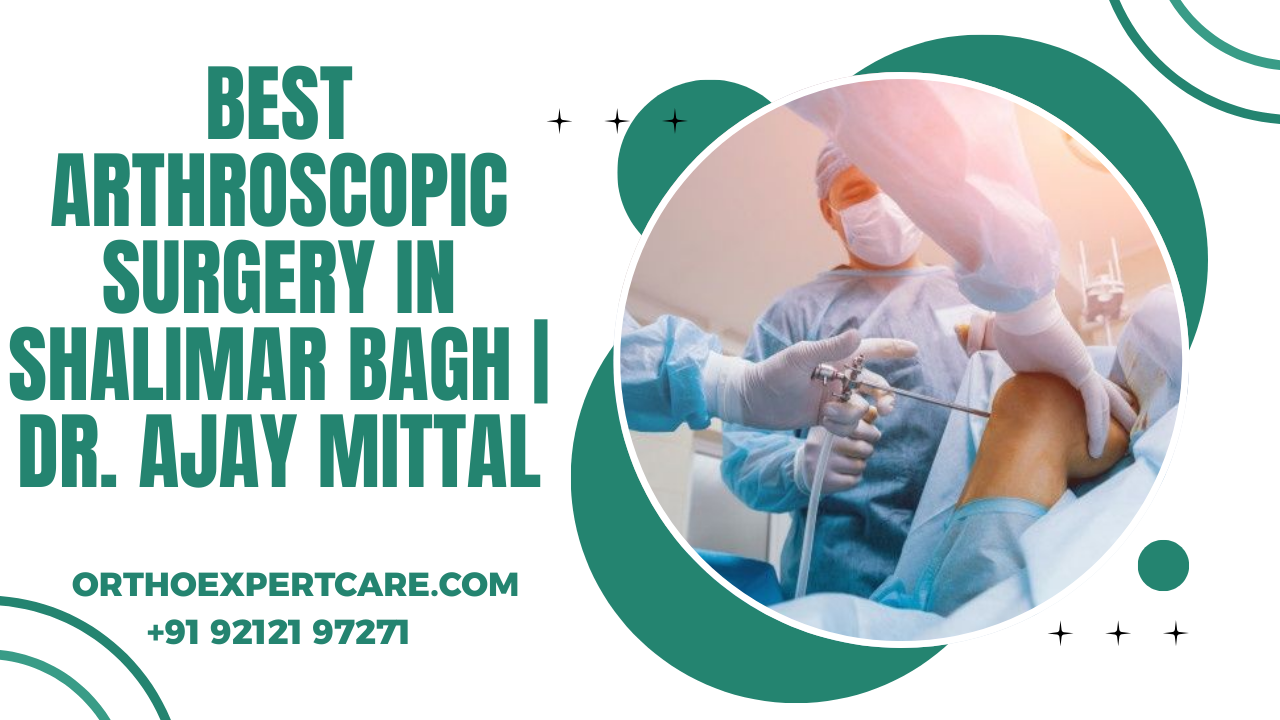
Best Arthroscopic Surgery in Shalimar Bagh: What You Need to Know
Living with joint pain can be frustrating. Simple tasks like climbing stairs, lifting objects, or even walking can become challenging. If your knees or shoulders are causing discomfort, the Best Arthroscopic Surgery in Shalimar Bagh could be the solution you’ve been looking for. Arthroscopy is a modern, minimally invasive procedure that allows orthopedic specialists to treat joint problems effectively, helping you get back to your normal routine faster. What Is Arthroscopic Surgery? Arthroscopic surgery uses a tiny camera called an arthroscope, which is inserted into the joint through small incisions. This allows the surgeon to see inside the joint clearly and repair any damage. Because it is minimally invasive, arthroscopy is also called minimally invasive joint surgery in Delhi NCR. The best part? You’ll experience smaller scars, less pain, and a quicker recovery compared to traditional surgery. Who Can Benefit From Arthroscopy? Arthroscopy is not just for athletes—it can help anyone with joint problems. You might consider this surgery if you have: Consulting a specialist for the Best Arthroscopic Surgery in Shalimar Bagh ensures your treatment plan is personalized to your specific needs. Common Arthroscopic Procedures Knee Arthroscopy Knee arthroscopy can repair torn meniscus, damaged ligaments, and cartilage issues. Many patients choose knee and shoulder arthroscopy in Delhi NCR because it is precise, safe, and helps them recover faster. Shoulder Arthroscopy Shoulder arthroscopy addresses rotator cuff tears, labral injuries, and shoulder impingement. With small incisions, surgeons can restore joint function and mobility efficiently, allowing patients to regain their strength sooner. Why Choose the Best Arthroscopic Surgery in Shalimar Bagh? There are many benefits of choosing top-quality arthroscopic surgery: Preparing for Arthroscopy Getting ready for surgery is easier than you think: Being prepared makes the procedure smoother and helps you recover faster. Recovery After Surgery Recovery varies depending on the joint and the type of surgery. Generally, you can expect: The Best Arthroscopic Surgery in Shalimar Bagh ensures expert monitoring during recovery, making the process safer and more effective. Why Shalimar Bagh Is the Right Choice Shalimar Bagh is home to advanced orthopedic centers offering minimally invasive joint surgery in Delhi NCR. With skilled surgeons and modern facilities, patients receive effective treatment in a supportive and professional environment. Conclusion Joint pain shouldn’t keep you from living your life. The Best Arthroscopic Surgery in Shalimar Bagh can help you regain mobility, reduce pain, and return to your favorite activities. With procedures like knee and shoulder arthroscopy in Delhi NCR, you get faster recovery, less discomfort, and long-term joint health. Consult a trusted orthopedic specialist today and take the first step toward a pain-free, active life. Contact Us If you are experiencing joint pain and want expert consultation, reach out to Dr. Ajay Mittal – Orthopedic & Spine Specialist: 📍 Address: BQ-180, KL Bagga Marg, Block BQ, West Shalimar Bagh, Shalimar Bagh, North West Delhi 110088, Delhi📞 Phone: +91 92121 97271📧 Email: mittalajaydoc77@rediffmail.com Our team is happy to answer your questions, schedule consultations, and guide you toward the best treatment options for your joint health.