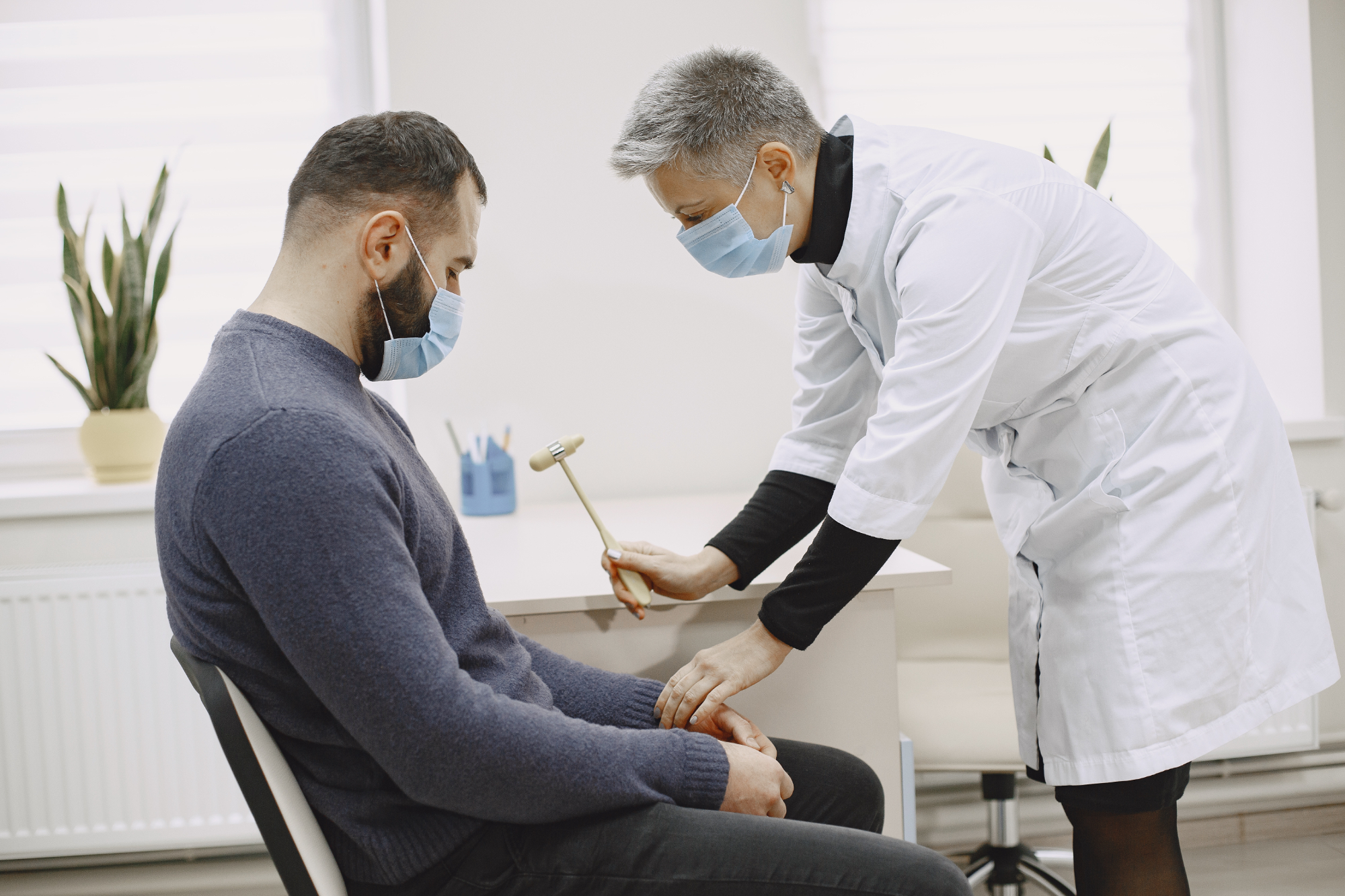
Pain management involves a multidisciplinary approach to reduce, control, or eliminate pain through medical, psychological, and physical techniques. It addresses acute pain (short-term) and chronic pain (long-term), ensuring patients can lead productive lives despite discomfort. What are the key objectives of Pain Management? What are the effective Pain Management Techniques? 1. Medications Medications like analgesics, anti-inflammatory drugs, and opioids are often prescribed based on the severity of pain. Over-the-counter options can help mild pain, while prescriptions address more complex cases. Always consult a healthcare provider before using medications to avoid side effects or dependency. 2. Physical Therapy Exercise and targeted physical therapy help strengthen muscles, improve flexibility, and reduce pain caused by conditions like arthritis or back pain. Techniques such as heat therapy, cold therapy, and electrical stimulation may be used. 3. Psychological Approaches Cognitive Behavioral Therapy (CBT) and mindfulness practices help manage the emotional and mental toll of chronic pain. Relaxation techniques and stress reduction strategies are integral to this approach. 4. Alternative Therapies Holistic options like acupuncture, chiropractic care, and yoga have gained popularity. These methods address pain by improving blood flow, reducing tension, and promoting overall wellness. 5. Surgical Interventions In severe cases, surgical procedures like nerve blocks or joint replacements may be necessary. These methods are typically a last resort when other treatments fail. What are the role of Lifestyle in Pain Management? Lifestyle changes, such as maintaining a healthy diet, engaging in regular physical activity, and ensuring proper sleep, are pivotal for long-term pain relief. Avoiding smoking and excessive alcohol consumption can also significantly enhance recovery and pain resilience. What are the benefits of Proper Pain Management? Conclusion Pain management is not just about reducing discomfort but restoring balance in life. By combining medical interventions, lifestyle modifications, and psychological support, individuals can effectively control pain and reclaim their well-being. For those struggling with persistent pain, consulting a pain management specialist can offer personalized solutions. Embrace proactive measures to ensure a healthier, pain-free life.
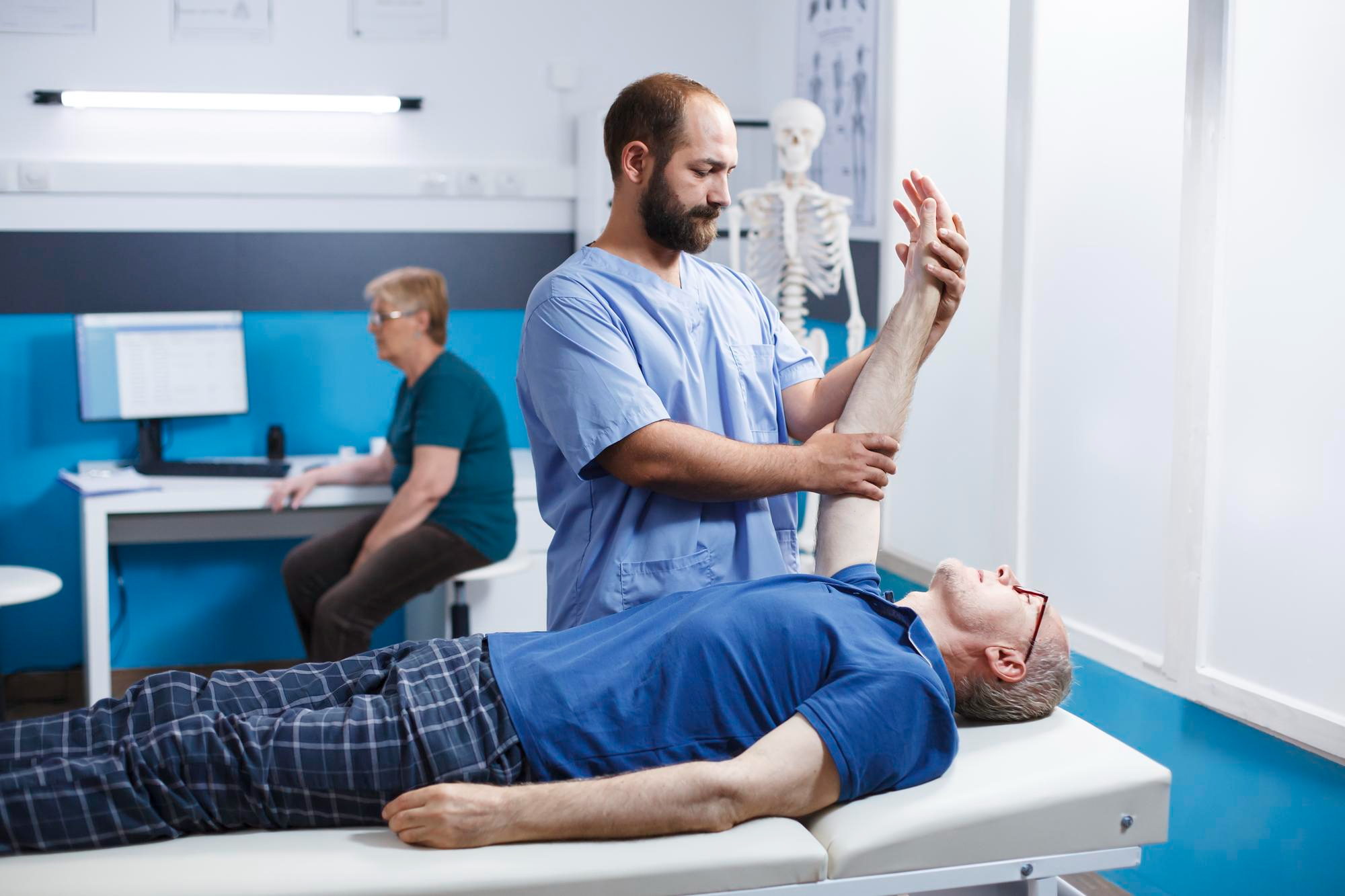
What is Physiotherapy?
Physiotherapy is a vital healthcare service aimed at helping individuals recover from injuries, alleviate pain, and improve their overall physical function. Whether it’s recovering from a sports injury, managing chronic pain, or improving mobility after surgery, physiotherapy plays a significant role in enhancing the quality of life. Through targeted exercises, manual therapy, and modern technology, physiotherapists work with patients to restore movement and treat various musculoskeletal issues. In this guide, we will explore the benefits of physiotherapy, the techniques involved, and how it can contribute to a healthier, more active life. What are the the Importance of Physiotherapy in Health and Wellness? Physiotherapy is more than just a treatment for injury—it is a comprehensive approach to maintaining and improving physical health. With a focus on rehabilitation and prevention, physiotherapists assess and treat a wide range of conditions, including back pain, arthritis, sports injuries, neurological conditions, and post-surgical recovery. The goal of physiotherapy is not only to reduce pain but also to restore functional movement and prevent further injury. It is often used in conjunction with other medical treatments to ensure a holistic approach to recovery. What are the benefits of Physiotherapy? What are the Common Physiotherapy Treatments? Conclusion Physiotherapy is a cornerstone of modern healthcare, offering effective solutions for pain management, injury recovery, and overall physical well-being. Whether you’re dealing with an acute injury, chronic condition, or seeking to improve your mobility, a physiotherapist can provide personalized treatment plans to help you achieve your goals. By addressing the root cause of physical dysfunction and promoting long-term health, physiotherapy empowers individuals to lead active, pain-free lives. It is an essential service for anyone looking to enhance their physical health and prevent future injury. If you are considering physiotherapy, consult a licensed physiotherapist to get started on your journey to recovery and improved quality of life.

What is Acupuncture?
Acupuncture is based on traditional Chinese medicine (TCM) principles that view the body as an interconnected system of energy. According to TCM, qi (pronounced “chee”) is the vital life force that flows through pathways called meridians. When the flow of qi is disrupted or blocked, it can lead to various health problems. Acupuncture aims to restore balance by stimulating specific points along these meridians, allowing energy to flow freely and helping the body return to a state of balance and health. What are the benefits of Acupuncture? Acupuncture offers a multitude of health benefits, many of which have been supported by scientific studies. Some of the key advantages of acupuncture include: How Does Acupuncture Work? Acupuncture works by inserting ultra-fine needles into specific points on the skin. These points are located along meridians, the pathways through which energy flows in the body. The needles stimulate the body’s natural healing processes by promoting blood circulation, releasing pain-relieving endorphins, and regulating the nervous system. The insertion of acupuncture needles into specific points helps unblock or redirect the flow of qi, balancing energy levels and enhancing overall well-being. The procedure is minimally invasive, with most people feeling little to no discomfort during treatment. In fact, many find acupuncture to be deeply relaxing. What are the common conditions treated by Acupuncture? Acupuncture is used to treat a variety of conditions, both physical and mental. Some common health issues that acupuncture can help address include: Conclusion Acupuncture is a safe and effective alternative treatment option that offers numerous health benefits. From relieving pain to managing stress and improving overall well-being, acupuncture can play a pivotal role in maintaining a balanced and healthy lifestyle. As more people turn to holistic and natural therapies, acupuncture continues to gain recognition as a vital tool in modern healthcare. If you’re considering acupuncture, be sure to consult with a qualified acupuncturist to ensure that you receive personalized treatment that aligns with your specific health goals. By embracing the healing potential of acupuncture, individuals can unlock a pathway to improved health and vitality.

How Lifestyle Choices Impact Bone Health
Bone health is an essential aspect of overall well-being, influencing mobility, posture, and the body’s ability to protect vital organs. Strong, healthy bones are necessary for daily functions, and as we age, maintaining bone strength becomes even more crucial. While genetics play a role in bone density, lifestyle choices have a significant impact on bone health, either supporting or hindering its strength. Here, we explore how various lifestyle habits can positively or negatively influence the health of your bones. Diet: The Foundation of Bone Health One of the most important factors in maintaining healthy bones is a nutrient-rich diet. Nutrients such as calcium, vitamin D, magnesium, and protein are vital for bone development and maintenance. Physical Activity: Building and Maintaining Bone Density Exercise plays a critical role in bone health, especially weight-bearing and resistance exercises. Physical activity stimulates bone formation and helps increase bone density, which is vital for preventing bone loss as we age. Smoking: A Major Risk Factor Smoking is harmful to bone health in several ways. Nicotine and other chemicals in cigarettes can reduce blood flow to the bones, impair calcium absorption, and interfere with the production of bone-forming cells called osteoblasts. This can lead to weakened bones and a higher risk of fractures. Studies have shown that smokers are at a greater risk of developing osteoporosis and experiencing bone fractures compared to non-smokers. Alcohol Consumption: Moderation is Key While moderate alcohol consumption may have some cardiovascular benefits, excessive drinking is detrimental to bone health. Heavy drinking can interfere with the body’s ability to absorb calcium and may lead to bone loss. Chronic alcohol use can also increase the risk of falls and fractures, especially in older adults. Limiting alcohol intake to one drink per day for women and two for men is recommended to protect bone health. Weight: Maintaining a Healthy Body Weight Being either underweight or overweight can negatively affect bone health. Low body weight is associated with lower bone density and an increased risk of fractures, while excess body weight puts additional strain on bones, especially weight-bearing joints like the knees and hips. Maintaining a healthy weight through balanced nutrition and regular exercise is important for optimal bone health. Sleep: Restoring and Repairing Bone Tissue Adequate sleep is essential for bone health because bone tissue is restored and repaired during rest. Chronic sleep deprivation can interfere with the body’s ability to repair bone cells and maintain bone density. Adults should aim for 7-9 hours of quality sleep each night to support the body’s recovery processes. Conclusion Bone health is influenced by various lifestyle choices, from diet and exercise to habits like smoking and alcohol consumption. A balanced diet rich in calcium, vitamin D, and protein, combined with regular weight-bearing and strength-training exercises, can help build and maintain strong bones. Avoiding smoking, limiting alcohol intake, and maintaining a healthy weight are also crucial for protecting your bones. By making mindful lifestyle choices, you can improve bone health, reduce the risk of fractures, and ensure that your bones remain strong and resilient throughout your life.

The Importance of Early Detection in Spinal Disorders
The spine serves as the central support structure for the human body, providing stability, flexibility, and protection for the spinal cord, which houses the vital pathways between the brain and the rest of the body. Spinal disorders can significantly affect a person’s mobility, quality of life, and overall health. Whether it’s a herniated disc, scoliosis, spinal stenosis, or degenerative disc disease, early detection is key to preventing long-term damage and reducing the severity of symptoms. In this blog, we’ll explore why early detection of spinal disorders is critical, the impact it has on treatment outcomes, and how proactive monitoring and care can lead to better health results. What Are Spinal Disorders? Spinal disorders encompass a wide range of conditions affecting the structure, function, and health of the spine. Some of the most common spinal disorders include: While spinal disorders may vary in terms of their severity and symptoms, they can all have a significant impact on a person’s daily life. Early detection of these conditions can ensure that they are addressed before they cause permanent damage or significant limitations in mobility. The Benefits of Early Detection 1. Prevention of Further Damage Many spinal disorders, if left untreated, can worsen over time and lead to further complications. Conditions like spinal stenosis, which involves the narrowing of the spinal canal, can gradually increase the pressure on the spinal cord and nerves. Without timely intervention, this pressure can lead to permanent nerve damage, resulting in chronic pain, numbness, or even loss of motor function in the legs or arms. A herniated disc is another condition that can worsen if not diagnosed early. When a disc herniates, it may initially cause mild discomfort, but if untreated, it can lead to increasing nerve compression, further pain, and more severe symptoms such as weakness or paralysis. Detecting such conditions early allows healthcare providers to implement treatments that alleviate pressure on the spine and prevent nerve damage. 2. Better Treatment Options Early detection often allows for a wider range of treatment options, many of which are non-invasive. For example, conditions like herniated discs or spinal stenosis can sometimes be managed through physical therapy, medication, or lifestyle adjustments if they are detected early. The earlier a condition is diagnosed, the more likely it is that conservative treatments will be effective in managing symptoms and preventing the need for invasive procedures, such as surgery. For example, in the case of degenerative disc disease, early interventions such as strength training exercises, proper posture correction, and ergonomic adjustments can help slow the progression of the condition, preventing further degeneration and maintaining spinal stability. If left untreated, the condition may worsen, eventually requiring surgical intervention to address severe damage or instability. 3. Reduction in Pain and Discomfort Spinal disorders often result in chronic pain, which can be debilitating if not properly managed. Early detection allows for faster intervention, which can reduce the intensity and duration of pain associated with conditions like arthritis or herniated discs. By addressing the problem early on, treatments such as anti-inflammatory medications, physical therapy, or spinal injections can help manage pain and prevent it from becoming a long-term issue. Pain management in the early stages of a spinal disorder can also prevent individuals from adopting poor postures or compensatory movements, which may exacerbate their condition or lead to the development of secondary musculoskeletal problems, such as muscle spasms or joint misalignment. 4. Prevention of Disability Spinal disorders can lead to permanent disability if not detected and treated in a timely manner. Conditions like scoliosis, when left untreated, can worsen and result in significant deformities of the spine, leading to chronic pain, respiratory issues, and mobility restrictions. If diagnosed early, scoliosis can often be treated effectively with bracing or even surgery, reducing the risk of permanent disability. Similarly, untreated spinal stenosis or herniated discs can lead to nerve damage that causes loss of strength or sensation in the limbs, making it difficult to walk or perform everyday activities. The earlier these conditions are detected, the more likely it is that individuals will be able to avoid long-term disability and maintain their independence. 5. Avoidance of Surgery While surgery can be an effective treatment option for certain spinal conditions, it is generally considered a last resort. Early detection of spinal disorders can often help patients avoid the need for invasive surgery. For instance, a herniated disc that is detected early may be treated with physical therapy, spinal injections, or medications, thus avoiding the need for a potentially risky surgical procedure. In cases where surgery is necessary, early intervention typically results in less complex procedures and faster recovery times. For example, a minimally invasive procedure performed early in the course of a spinal condition is often less traumatic to the body and has a quicker healing process compared to surgery done later when the condition has worsened. Recognizing the Signs of Spinal Disorders Being aware of the symptoms that may indicate a spinal disorder is the first step in early detection. If you notice any of the following signs, it is important to seek medical attention as soon as possible: Diagnostic Tools for Early Detection To accurately diagnose spinal disorders, healthcare providers use a variety of diagnostic tools. Some of the most common diagnostic methods include: Conclusion The spine is one of the most important and complex structures in the human body, and maintaining its health is essential for overall well-being. Spinal disorders can have a significant impact on an individual’s quality of life, but with early detection, many of these conditions can be managed effectively, preventing long-term damage, pain, and disability. Recognizing the signs of spinal disorders and seeking timely medical care can make a significant difference in treatment outcomes. By addressing spinal issues early, individuals can avoid invasive surgeries, reduce pain and discomfort, and preserve their mobility, ultimately leading to a better quality of life. Regular check-ups, awareness of symptoms, and proactive care are key to ensuring spinal health throughout life.

ACL Tears in Athletes: How Surgery and Rehabilitation Help Recovery
Anterior Cruciate Ligament (ACL) tears are among the most common and serious knee injuries athletes face, particularly those involved in high-impact, pivoting sports like football, basketball, soccer, and skiing. An ACL injury can be a game-changer for an athlete, often leaving them sidelined for months. However, with the right surgical intervention and a comprehensive rehabilitation program, most athletes can return to their sports with full functionality and even enhance their performance post-recovery. In this blog, we’ll dive into the specifics of ACL tears, why surgery is often necessary, and how a structured rehabilitation process ensures a full recovery. What is an ACL Tear? The ACL is one of the four major ligaments in the knee that provides stability and helps control the motion of the joint. Located in the center of the knee, it connects the femur (thigh bone) to the tibia (shin bone) and prevents excessive forward movement of the tibia and rotation of the knee. ACL tears typically occur when an athlete plants their foot and pivots suddenly, changes direction quickly, or sustains direct impact to the knee. Symptoms of an ACL tear are often immediate and unmistakable. They include: An ACL tear is classified into three grades: Grade 3 tears are the most common and often require surgical intervention to restore the stability of the knee. The Role of Surgery in ACL Recovery While mild ACL injuries may heal with conservative treatments such as physical therapy and rest, a complete ACL tear typically requires surgery for athletes, especially those involved in sports that demand high agility, jumping, and cutting movements. The main goal of surgery is to restore the knee’s stability and prevent further damage to the joint, as an unstable knee increases the risk of additional injuries to the meniscus, cartilage, and other ligaments. ACL Reconstruction Surgery ACL reconstruction is the most common surgical treatment for a torn ACL. This procedure involves replacing the torn ligament with a graft, which can be taken from the patient’s own body (autograft) or from a donor (allograft). The choice of graft depends on several factors, including the patient’s age, activity level, and the surgeon’s recommendation. The two most common graft types are: Once the graft is chosen, the surgeon makes small incisions in the knee and uses arthroscopic techniques to replace the torn ligament. Arthroscopy is a minimally invasive approach that involves inserting a tiny camera into the joint to guide the surgery. This results in smaller incisions, less pain, and quicker recovery times compared to traditional open surgery. Post-Surgery: The Importance of Rehabilitation Recovery from ACL surgery is a long and structured process, and it involves a carefully planned rehabilitation program. Rehabilitation is essential for restoring strength, flexibility, balance, and coordination to the knee, enabling athletes to return to their sport as quickly and safely as possible. The rehabilitation process is generally broken down into three phases: early rehabilitation, strengthening, and sport-specific training. Phase 1: Early Rehabilitation (Weeks 1-4) In the first phase, the primary focus is to manage pain and swelling, restore range of motion, and begin weight-bearing activities. Patients are typically encouraged to use crutches and wear a knee brace for added support. The main goals during this phase are: Phase 2: Strengthening and Functional Rehabilitation (Weeks 4-12) Once the knee has healed sufficiently, the rehabilitation program intensifies. The focus shifts to strengthening the muscles around the knee to provide stability and prevent re-injury. Key elements of this phase include: Phase 3: Sport-Specific Training and Return to Play (Months 4-9) The final phase focuses on preparing the athlete to return to their sport. It involves a combination of agility drills, cutting exercises, and sport-specific movements. The goals are to ensure the knee is strong enough to handle the demands of the sport and that the athlete can perform complex movements without risk of re-injury. When Can an Athlete Return to Sports? The timeline for returning to sports varies based on the individual, but athletes can generally expect to return to full activity anywhere between 6 to 12 months after surgery. The decision to return to sports is based on several factors: A sports physician or physical therapist will monitor the athlete’s progress and assess whether they are ready to return to competition. This is often done through specific tests to measure strength, agility, and functional performance. Preventing Future ACL Injuries While ACL surgery and rehabilitation can be highly effective in returning athletes to their sport, there is always a risk of re-injury. Fortunately, several preventative strategies can help reduce this risk: Conclusion An ACL tear is a significant injury, particularly for athletes whose sports demand agility and sudden movements. However, with the right approach to surgery and rehabilitation, athletes can recover fully and return to their previous level of performance. The key to success lies in early intervention, careful surgical planning, and a structured rehabilitation program. By focusing on strength, stability, and sport-specific training, athletes can return to the field stronger and more resilient, with a lower risk of future injury. 4o mini